



Spotlights
Wildlife Conservationist, Environmental Biologist, Ecologist, Restoration Ecologist, Wildlife Scientist, Conservation Scientist, Natural Resource Specialist, Environmental Consultant, Habitat Manager, Biodiversity Specialist, Conservation Ecologist, Field Biologist
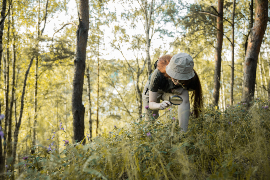
Imagine walking through a forest, marsh, or grassland, knowing the health of these ecosystems depends on your work. Conservation Biologists play a crucial role in protecting plants, animals, and natural habitats so future generations can enjoy a thriving planet.
Every day, Conservation Biologists study wildlife populations, analyze habitats, and design plans to protect endangered species and restore damaged environments. They collaborate with government agencies, environmental groups, landowners, and scientists to collect data and develop practical solutions that balance nature and human needs.
Using tools like GPS, GIS mapping software, field surveys, and statistical models, Conservation Biologists assess ecosystems and track changes over time. Their work is vital to maintaining biodiversity and ensuring ecosystems provide clean air, water, and resources we all rely on.
- Making a real difference in saving endangered species and preserving natural habitats.
- Spending time outdoors in diverse environments while conducting meaningful research.
- Collaborating with scientists, policymakers, and communities to create sustainable solutions.
- Contributing valuable knowledge that informs environmental laws and conservation efforts.
Working Schedule
Conservation Biologists often work full-time with a mix of office research and fieldwork. Their schedules can vary seasonally—longer, early mornings or weekends during peak field seasons, and more regular hours during data analysis phases. Positions may be with government agencies, nonprofits, or private firms, and some work is seasonal or project-based, requiring flexibility and travel to remote sites.
Typical Duties
- Conduct field surveys to monitor wildlife populations and habitat conditions.
- Collect and analyze environmental samples like soil, water, and vegetation.
- Use GPS and GIS technology to map habitats and track species movements.
- Develop conservation plans to protect endangered species and restore habitats.
- Collaborate with landowners, government officials, and community groups.
- Prepare detailed reports and scientific papers on findings and recommendations.
- Monitor impacts of human activities such as logging, mining, or development.
- Advise policymakers on environmental regulations and conservation strategies.
- Conduct environmental impact assessments for proposed projects.
- Educate the public and stakeholders about conservation issues.
- Manage and maintain databases of ecological data.
- Coordinate with other scientists and agencies on regional conservation initiatives.
Additional Responsibilities
- Apply for research grants and funding to support projects.
- Train interns, volunteers, or junior staff in field techniques.
- Participate in community outreach and environmental education programs.
- Attend conferences and workshops to stay updated on scientific advances.
- Ensure compliance with environmental laws and ethical research standards.
- Assist in habitat restoration activities like planting native species.
- Analyze policy impacts and advocate for stronger environmental protections.
- Maintain and calibrate scientific equipment used in the field.
Morning usually starts with reviewing data collected during previous field trips or planning for the day's fieldwork. Conservation Biologists often check weather forecasts, prepare equipment, and coordinate with team members before heading out.
Midday is commonly spent outdoors conducting surveys—counting animal populations, measuring vegetation, or testing water quality. This work involves careful observation, note-taking, and sometimes operating GPS devices or cameras in rugged terrain.
In the afternoon or evening, they return to the office or lab to enter data, analyze results using software, and write reports. They often meet with colleagues or stakeholders to discuss findings and plan next steps, balancing science with communication to protect ecosystems effectively.
Soft Skills
- Attention to detail
- Strong communication skills
- Problem-solving mindset
- Teamwork and collaboration
- Adaptability to changing conditions
- Patience and perseverance
- Critical thinking
- Organization and time management
- Interpersonal skills
- Public speaking and education
- Curiosity and passion for nature
- Ethical judgment and responsibility
Technical Skills
- Field survey methods
- GIS and GPS technology
- Statistical data analysis
- Scientific writing and reporting
- Species identification
- Environmental sampling techniques
- Habitat assessment
- Use of ecological modeling software
- Data management
- Use of lab equipment for sample analysis
- Field Conservation Biologist: Focuses on hands-on research and monitoring in natural habitats.
- Restoration Ecologist: Specializes in repairing damaged ecosystems and reintroducing native species.
- Wildlife Biologist: Concentrates on studying animal behavior, populations, and habitats.
- Marine Conservation Biologist: Works specifically with ocean and coastal ecosystems.
- Urban Conservation Biologist: Addresses conservation challenges in city and suburban environments.
- Policy Analyst: Uses scientific knowledge to influence environmental legislation and regulations.
- Conservation Educator: Develops programs to teach communities about conservation values.
- Conservation Geneticist: Studies genetic diversity to support species survival.
- Government environmental agencies (e.g., Fish and Wildlife Service)
- Nonprofit conservation organizations (e.g., The Nature Conservancy)
- Universities and research institutions
- Environmental consulting firms
- National parks and wildlife refuges
- State and local natural resource departments
- Forestry and land management agencies
- International environmental organizations
- Aquariums and zoos with conservation programs
- Private land trusts and habitat restoration groups
- Environmental education centers
- Agricultural and forestry companies with sustainability initiatives
Conservation Biologists often face pressure to balance scientific accuracy with practical conservation outcomes, sometimes working under tight deadlines for environmental impact reports or funding proposals. Fieldwork can be physically demanding and requires resilience in unpredictable outdoor conditions.
Work hours can vary widely, with intensive field seasons involving early mornings, long days, and travel to remote locations. During off-peak times, more office work like data analysis and report writing takes place, which may involve computer work and meetings.
Sacrifices may include time away from family during field expeditions, working in challenging environments, and coping with the emotional weight of seeing ecosystems or species decline. However, the passion for protecting nature often fuels their dedication despite these challenges.
- Increasing use of drones and remote sensing to monitor wildlife.
- Growing importance of climate change research in conservation planning.
- Advances in genetic analysis for species identification and health assessment.
- Integration of citizen science data to supplement research.
- Expansion of urban conservation initiatives addressing biodiversity in cities.
- Greater collaboration between scientists, policymakers, and indigenous communities.
- Development of new software tools for ecological modeling and data visualization.
- Emphasis on ecosystem services to communicate conservation value.
- Focus on restoration ecology to repair damaged landscapes.
- Use of AI and machine learning to analyze large ecological datasets.
Many Conservation Biologists were fascinated by animals, plants, and the outdoors from a young age, spending time exploring nature, collecting insects, or volunteering at wildlife centers. They often enjoyed science classes, especially biology and ecology, and were curious about how living things interact.
Early experiences might include camping, hiking, or participating in environmental clubs or community cleanups. These activities helped develop their passion for protecting the environment and sparked an interest in scientific investigation and problem-solving.
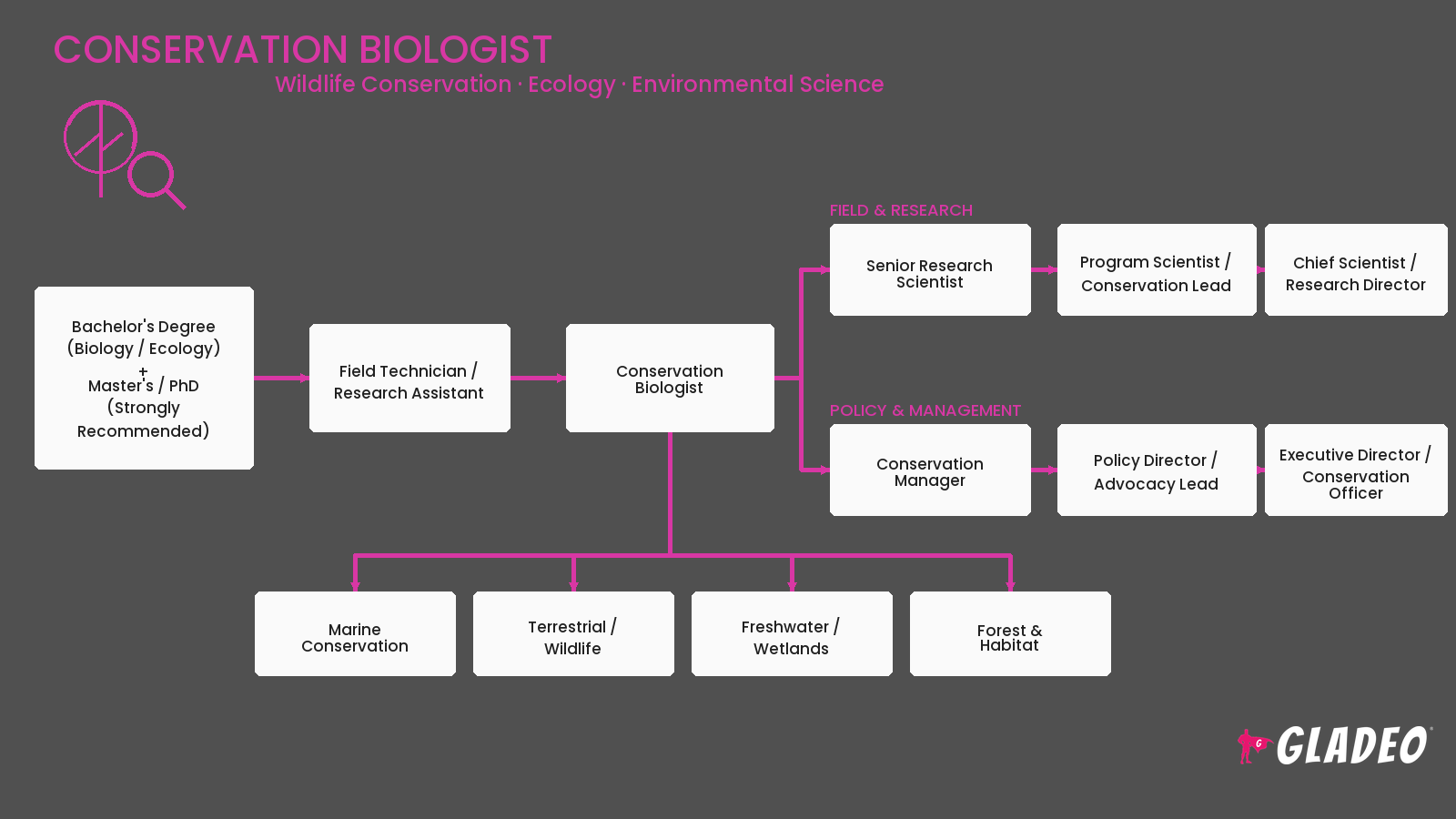
Becoming a Conservation Biologist typically requires a bachelor's degree in biology, ecology, environmental science, or a related field. Many professionals pursue advanced degrees to specialize or work in research and policy roles. Hands-on experience through internships or volunteer work is essential to develop field skills and build a strong portfolio.
Students can take courses in relevant subjects such as:
- Biology and Ecology
- Environmental Science
- Wildlife Management
- Botany and Plant Sciences
- Geographic Information Systems (GIS)
- Statistics and Data Analysis
- Chemistry and Soil Science
- Environmental Policy and Law
- Field Methods in Ecology
- Conservation Genetics
Practical experience gained through internships, research projects, or working with environmental organizations is crucial. Building a portfolio of fieldwork and research, along with strong scientific writing skills, prepares students for diverse career paths in conservation biology.
- Join environmental clubs or science teams in high school.
- Volunteer for local conservation projects or wildlife centers.
- Take advanced science courses, especially biology and chemistry.
- Attend nature camps or outdoor education programs.
- Learn computer skills, including GIS basics if possible.
- Enroll in AP Biology or Environmental Science courses.
- Participate in science fairs with ecology or conservation projects.
- Seek summer internships with environmental organizations.
- Develop strong writing and communication skills.
- Explore college programs with strong ecology or environmental science departments.
- Choose programs with hands-on fieldwork opportunities.
- Look for internships or cooperative education options.
- Check if faculty have active research projects in conservation.
- Consider programs offering GIS and data analysis training.
- Evaluate the availability of lab and field equipment.
- Explore interdisciplinary courses combining science and policy.
- Find schools with partnerships with parks or conservation groups.
- Assess opportunities for study abroad or ecosystem-specific research.
- Join student chapters of environmental organizations.
- Seek programs that support undergraduate research.
- Look for career services with strong environmental industry connections.
- Consider programs with a focus on restoration ecology or wildlife management.
- Apply for internships or technician roles with government agencies or nonprofits.
- Volunteer in citizen science projects to gain experience.
- Build a portfolio of field and lab work samples.
- Network with professionals at conferences and workshops.
- Prepare a strong resume highlighting relevant coursework and experience.
- Be willing to work in remote or challenging environments.
- Gain certifications like first aid or wildlife handling if possible.
- Develop skills in GIS and data analysis software.
- Seek mentorship from experienced Conservation Biologists.
- Attend job fairs focused on environmental careers.
- Practice communicating scientific findings clearly.
- Stay flexible and open to entry-level roles in related fields.
Pursue advanced degrees or certifications to specialize.
- Take leadership roles in projects or teams.
- Develop expertise in niche areas like genetics or climate impact.
- Publish research in scientific journals to build reputation.
- Build strong relationships with agencies and organizations.
- Expand skills in grant writing and project management.
- Engage in policy advocacy and interdisciplinary collaboration.
- Mentor interns and junior staff to grow leadership abilities.
Websites:
- Society for Conservation Biology (conbio.org)
- The Wildlife Society (wildlife.org)
- Ecological Society of America (esa.org)
- National Wildlife Federation (nwf.org)
- The Nature Conservancy (nature.org)
- Conservation Careers (conservation-careers.com)
- Environmental Career Opportunities (eco.org)
- US Fish and Wildlife Service (fws.gov)
- American Society of Mammalogists (mammalsociety.org)
- Environmental Protection Agency (epa.gov)
- International Union for Conservation of Nature (iucn.org)
- Wildlife Conservation Society (wcs.org)
- Society for Ecological Restoration (ser.org)
- Earthwatch Institute (earthwatch.org)
Books:
- Conservation Biology: Foundations, Concepts, Applications by Fred Van Dyke
- A Sand County Almanac by Aldo Leopold
- Silent Spring by Rachel Carson
- The Song of the Dodo by David Quammen
- The Sixth Extinction by Elizabeth Kolbert
If conservation biology doesn't turn out to be the right fit, there are many related careers that use similar skills and passions for the environment and science
- Environmental Scientist
- Park Ranger
- Wildlife Technician
- Environmental Educator
- Forestry Technician
- Marine Biologist
- Ecological Consultant
- Agricultural Scientist
- Natural Resource Manager
- Environmental Policy Analyst
Newsfeed

Featured Jobs
Online Courses and Tools