





Spotlights
Fashion Photojournalist, Editorial Photographer, Runway Photographer, Beauty Photographer, Lookbook Photographer, Fashion Week Photographer, Catalog Photographer, Style Photographer, Fashion Campaign Photographer, Model Portfolio Photographer, Magazine Fashion Photographer
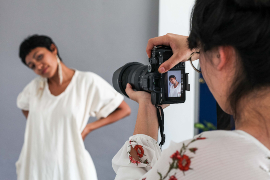
The glossy magazine cover, the runway image that goes viral overnight, the campaign that makes a brand suddenly feel essential, all of it starts with a Fashion Photographer behind the lens, chasing the exact frame that captures a trend before anyone else has named it. It is one part art, one part hustle, and entirely about making clothing, and the people wearing it, look like they belong on every screen and page in the world.
Fashion Photographers shoot designers' collections, magazine editorials, ad campaigns, and runway shows, working closely with models, stylists, hair and makeup artists, art directors, and designers to bring a creative vision to life. They scout locations, plan lighting and poses, direct models through a shoot, and constantly adjust on the fly when a look, a light, or a mood is not quite right yet. Every shoot is a small production, and the photographer is often the one holding the whole creative concept together while everyone else executes their piece of it.
Using professional cameras, studio lighting, editing software like Adobe Photoshop and Lightroom, and a sharp eye for trends, Fashion Photographers turn fabric and styling into images that sell clothes, launch careers, and define what "fashionable" looks like for a season. Their work shapes how designers are seen, how models get discovered, and how entire brands build an identity in a crowded, image-obsessed industry.
- Shaping how a designer's vision, or a trend, gets seen by the world
- Collaborating with stylists, models, and creative teams to build something visually striking
- Traveling to fashion capitals, shows, and shoots most people only see in photos
- Building a portfolio and reputation through work that is genuinely your own creative signature
Working Schedule
Fashion Photographers rarely work a standard nine-to-five. Shoots can run early morning to catch the right light, or late into the night during fashion week when shows and events are packed back to back. Most work as freelancers, juggling multiple clients and projects at once, though some are hired directly by magazines, fashion houses, or advertising agencies. Time between shoots is often spent editing photos, managing a portfolio, and hunting down the next gig, which makes the schedule feel less like a job and more like running a small business.
Typical Duties
- Planning and scouting shoot locations and concepts with stylists and art directors
- Directing models on posing, movement, and expression during shoots
- Setting up and adjusting studio or on-location lighting equipment
- Photographing runway shows, backstage moments, and designer collections
- Editing and retouching images using Photoshop, Lightroom, or similar software
- Collaborating with hair, makeup, and wardrobe teams to achieve a cohesive look
- Building relationships with designers, magazines, and modeling agencies
- Delivering final images that meet client deadlines and brand guidelines
- Maintaining and upgrading camera, lens, and lighting equipment
- Managing a portfolio website and social media presence to attract clients
- Negotiating usage rights, licensing, and payment for photos
- Staying current on fashion trends, colors, and styling techniques
Additional Responsibilities
- Pitching creative concepts to designers, magazines, or agencies
- Managing assistants, second shooters, or interns on larger shoots
- Handling invoicing, contracts, and business finances as a freelancer
- Attending fashion shows, industry events, and networking mixers
- Archiving and organizing thousands of images from every shoot
- Building relationships with model agencies to scout new talent
- Submitting work to fashion publications or photography competitions
- Learning new camera technology and editing techniques
On a shoot day, a Fashion Photographer often starts early, arriving at a studio or location to check lighting, set up equipment, and review the day's concept with the stylist and art director. Coffee happens fast, and so does the first look at the model in wardrobe, checking how the outfit reads through the lens before the real shooting begins.
Midday is the heart of the shoot: directing models through poses and movement, adjusting lights between looks, checking shots on a monitor, and pivoting quickly if a concept is not working. A Fashion Photographer is constantly problem-solving in real time, whether that means changing an angle, calming a nervous new model, or convincing a stylist to swap an accessory that is not photographing well.
Evenings often shift to editing, culling through hundreds or thousands of images to find the best shots, then retouching and color-correcting the final selections. On top of that, there are emails to clients, invoices to send, and sometimes a fashion week event or gallery opening to attend, because in this field, being seen and staying connected is almost as important as the photos themselves.
Soft Skills
- Creative vision and a strong personal style
- Communication and direction skills for working with models and teams
- Adaptability when concepts or conditions change mid-shoot
- Patience under pressure and tight deadlines
- Networking and relationship-building
- Confidence pitching ideas to designers and art directors
- Attention to detail in styling, composition, and lighting
- Business sense for managing freelance work
- Resilience in the face of rejection or canceled shoots
- Collaboration with large creative teams
- Time management across multiple projects
- An eye for emerging fashion trends
Technical Skills
- Professional camera systems and lens selection
- Studio and location lighting setup
- Photo editing and retouching in Photoshop and Lightroom
- Understanding of color theory and composition
- Knowledge of fashion history and current trends
- Basic video and behind-the-scenes content creation
- File management and digital asset organization
- Licensing, usage rights, and contract basics
- Social media content strategy for self-promotion
- Studio equipment maintenance and troubleshooting
- Editorial Photographer: Shoots concept-driven fashion stories for magazines
- Runway Photographer: Captures designer collections live during fashion shows
- Campaign Photographer: Shoots advertising imagery for fashion brands
- Lookbook Photographer: Photographs a designer's full seasonal collection for buyers and press
- Beauty Photographer: Focuses on close-up hair, makeup, and skin-focused imagery
- Backstage Photographer: Documents the behind-the-scenes energy of shows and shoots
- Portfolio Photographer: Builds model portfolios for talent agencies
- Street Style Photographer: Captures real-world fashion at shows and events
- Fashion magazines and digital publications
- Designer fashion houses and clothing brands
- Advertising and marketing agencies
- Modeling and talent agencies
- Fashion week production companies
- E-commerce and retail brands
- Freelance and independent studios
- Fashion week production and event companies
- Photography and creative agencies
- Luxury and beauty brands
Fashion Photography is a competitive, image-driven field where getting noticed often matters as much as the quality of the work itself. Photographers frequently start out shooting for free or very little pay to build a portfolio, and breaking into major magazines or campaigns can take years of persistence and networking.
The schedule is unpredictable and demanding, especially during fashion weeks, when shoots and shows stack up with little rest in between. Freelancing means income can be inconsistent, and photographers must constantly hustle for the next job while also managing the business side of things, from invoicing to marketing themselves.
The creative pressure is real too. Fashion Photographers are expected to keep reinventing their style while staying relevant to fast-moving trends, all while managing egos, tight timelines, and last-minute changes on set. It takes a thick skin, genuine passion for fashion, and a strong sense of personal style to last in this field.
- Growth of social media as a primary platform for fashion photography exposure
- Rising demand for short-form video and behind-the-scenes content alongside stills
- Increased use of AI-assisted editing tools for retouching and color grading
- Greater emphasis on diverse, inclusive casting in fashion imagery
- More brands investing in user-generated and influencer-style fashion content
- Growth of sustainable and slow fashion brands seeking authentic imagery
- Expansion of digital-only fashion campaigns and virtual lookbooks
- Rising use of mirrorless cameras and lightweight gear for mobility on set
- Increased collaboration between photographers and stylists on personal branding
- Demand for photographers who can shoot both stills and reels for social platforms
Many Fashion Photographers grew up obsessed with magazines, style, and visual storytelling, flipping through fashion editorials and studying how a single image could set a mood. Some started taking photos of friends styled in outfits they put together themselves, treating their bedroom or backyard like a makeshift studio.
Others were drawn to art classes, theater, or design, enjoying the process of building a look or a scene from scratch. A love of clothes combined with a fascination for cameras, whether a phone, a film camera, or a hand-me-down DSLR, often planted the earliest seeds of a career spent capturing style for a living.
Many Fashion Photographers pursue a bachelor's degree in photography, fine arts, or fashion, though the field is also known for rewarding strong portfolios over formal credentials. Degree programs teach technical camera skills, lighting, composition, and editing, while also offering access to studios, equipment, and industry connections that are hard to build alone. Some photographers instead build their skills through workshops, assisting established photographers, and years of self-directed practice.
Students can take courses in relevant subjects such as:
- Photography Fundamentals
- Studio Lighting Techniques
- Digital Photo Editing
- Fashion History and Design
- Art and Composition
- Portfolio Development
- Business of Photography
- Video and Multimedia Production
- Color Theory
- Marketing and Personal Branding
Hands-on experience matters enormously in this field. Assisting an established Fashion Photographer, working on student fashion shows, or shooting test images with aspiring models all build the practical skills and portfolio needed to get hired. A strong, distinctive body of work often opens more doors than a diploma alone, so building and constantly refreshing a portfolio is essential throughout a Fashion Photographer's career.
- Take photography, art, and design classes to build a technical and creative foundation
- Start shooting regularly, even with a phone, to develop your own visual style
- Offer to photograph friends, school fashion shows, or local designers for practice
- Study fashion magazines and editorials to understand composition and trends
- Learn Photoshop and Lightroom through free tutorials or school courses
- Build a simple online portfolio to showcase your best work
- Assist or shadow a local photographer to see the business side of the work
- Follow fashion photographers on social media and study their techniques
- Attend or volunteer at local fashion shows or student design showcases
- Enter photography contests or submit work to student publications
- Save up for a starter camera and learn its manual settings thoroughly
- Practice directing friends or classmates during informal photoshoots
- Programs with access to professional studios and lighting equipment
- Faculty with real industry experience in fashion or editorial photography
- Strong internship or assisting placements with working photographers
- Courses covering both technical skills and the business of freelancing
- Opportunities to build a polished, professional portfolio before graduating
- Access to modern editing software and hands-on lab time
- Connections to local fashion, magazine, or agency networks
- Alumni working in fashion or editorial photography
- Flexible scheduling that allows for outside shoots and freelance work
- Programs that encourage personal creative projects, not just assignments
- Opportunities to collaborate with fashion, styling, or design students
- Reasonable program costs relative to expensive camera and lighting gear needs
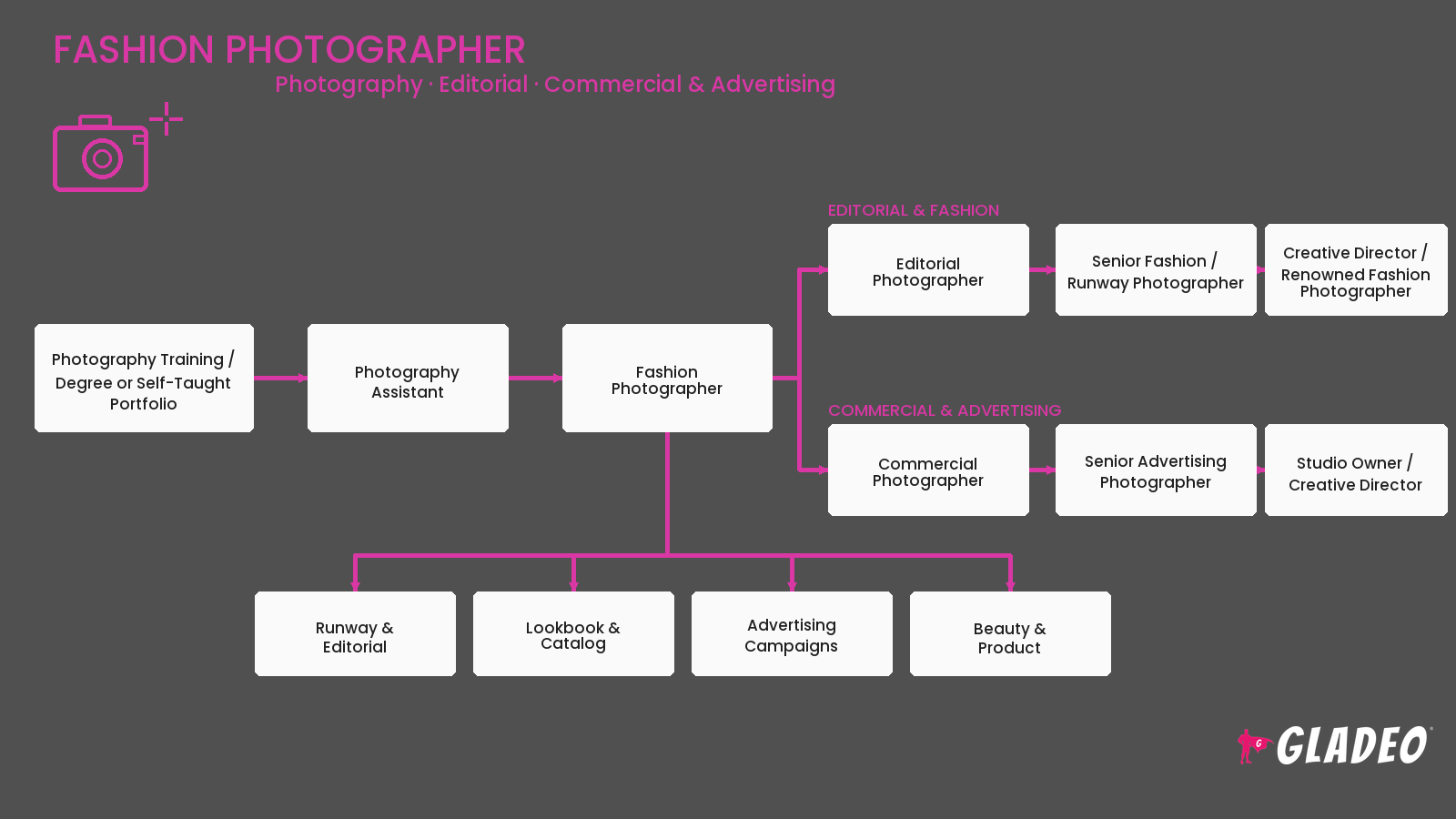
- Build a focused portfolio showcasing your best and most consistent fashion work
- Offer test shoots to new models and stylists to build mutually beneficial portfolios
- Assist established Fashion Photographers to learn the business and make connections
- Reach out directly to small designers, boutiques, or local brands needing imagery
- Use social media, especially visually driven platforms, to showcase your work consistently
- Attend fashion events, shows, and industry mixers to meet potential collaborators
- Apply for entry-level roles like photo assistant, studio assistant, or junior photographer
- Submit work to online fashion publications or student magazines for exposure
- Create a professional website with a clear, easy way for clients to contact you
- Research and reach out to modeling and talent agencies about test shoot opportunities
- Practice pitching your creative vision clearly and confidently to potential clients
- Be persistent; breaking into fashion photography often takes years of networking and free work
- Develop a signature style that makes your work instantly recognizable
- Build long-term relationships with designers, stylists, and magazine editors
- Seek larger, higher-profile clients as your portfolio and reputation grow
- Expand into video content and behind-the-scenes storytelling
- Raise your rates as demand and experience increase
- Mentor assistants and build a small team for larger productions
- Get published in respected fashion magazines or campaigns
- Diversify income through workshops, licensing, or personal creative projects
Websites:
- American Society of Media Photographers - asmp.org
- Professional Photographers of America - ppa.com
- The Fashion Spot - thefashionspot.com
- Vogue Photography - vogue.com
- PetaPixel - petapixel.com
- Fstoppers - fstoppers.com
- B&H Photo Explora - bhphotovideo.com/explora
- Format Magazine - format.com/magazine
- Behance Fashion Photography - behance.net
- WWD (Women's Wear Daily) - wwd.com
- The Business of Fashion - businessoffashion.com
- Model Mayhem - modelmayhem.com
Books:
- The Photographer's Eye by Michael Freeman
- Fashion Photography 101 by Billy Kidd
- On Photography by Susan Sontag
- The Complete Guide to Fashion Styling by Alice Grundy and Ana Doran
- Vogue Like a Pro by Inge House
If you find that being a Fashion Photographer isn't the right fit, your eye for style, lighting, and visual storytelling can transfer to many related careers.
- Commercial Photographer
- Videographer
- Fashion Stylist
- Photo Editor
- Creative Director
- Social Media Content Creator
- Portrait Photographer
- Set and Production Designer
- Cinematographer
- Fashion Marketing Specialist
Newsfeed

Featured Jobs
Online Courses and Tools