



Spotlights
Horticulturist, Landscape Gardener, Groundskeeper, Greenhouse Technician, Landscape Technician, Urban Gardener, Botanical Gardener, Garden Designer, Plant Care Specialist, Nursery Worker, Arborist Assistant, Grounds Maintenance Worker
Gardens are living works of art that bring beauty, calm, and fresh air into our daily lives. Every vibrant flower bed, lush green lawn, and fragrant herb garden you see in parks, backyards, or community spaces comes alive through the dedicated work of gardeners.
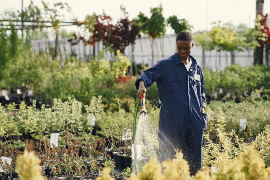
Gardeners nurture plants, flowers, shrubs, and trees to create outdoor spaces that delight people and support ecosystems. Each day, they dig, plant, prune, water, and care for greenery while collaborating with landscape designers, property owners, and environmental specialists to ensure gardens thrive and look their best throughout the seasons.
Using tools like pruning shears, soil testers, watering systems, and plant fertilizers, gardeners combine hands-on skills with botanical knowledge to promote healthy growth. Their work not only beautifies spaces but also improves air quality, supports pollinators, and connects people to nature in meaningful ways.
- Watching a garden transform from bare soil to a blooming paradise
- Knowing your work creates peaceful, welcoming spaces for communities
- Learning about and working closely with plants and nature every day
- Helping the environment by supporting biodiversity and healthy ecosystems
Working Schedule
Gardeners often work outdoors and their schedules can change with the seasons. During spring and summer, they may work full days, sometimes early mornings or weekends to care for plants when they need it most. Some gardeners work for landscaping companies or public parks with regular hours, while others freelance or manage their own gardens, which means flexibility but also responsibility for all care tasks.
Typical Duties
- Preparing soil by tilling, fertilizing, and testing to create ideal growing conditions
- Planting seeds, bulbs, flowers, shrubs, and trees according to landscape plans
- Watering plants and installing irrigation systems to ensure proper hydration
- Pruning and trimming plants to maintain healthy growth and attractive shapes
- Controlling pests and diseases using organic or chemical treatments as needed
- Weeding garden beds and lawns to prevent competition for nutrients
- Mulching soil to retain moisture and regulate temperature
- Monitoring plant health and adjusting care routines seasonally
- Operating gardening tools and machinery safely and efficiently
- Maintaining garden tools and equipment to keep them in good working order
Additional Responsibilities
- Advising property owners or clients on plant selection and garden design
- Documenting plant growth and garden conditions for ongoing care
- Installing landscape features like pathways, fences, or decorative elements
- Composting green waste and managing soil health sustainably
- Coordinating with landscape architects or environmental experts on large projects
- Educating community members or volunteers about gardening and plant care
- Ordering supplies and plants from nurseries or suppliers
- Ensuring compliance with local environmental regulations and safety standards
A gardener’s day often begins by checking the weather and planning tasks based on the season and plant needs. Early morning might involve watering plants to avoid evaporation and inspecting for signs of pests or damage.
Midday is usually the busiest time to perform physical tasks like planting, pruning, and weeding. Gardeners often use this time to operate machinery such as mowers or tillers and may collaborate with team members or clients to adjust plans.
In the afternoon, gardeners might focus on detailed work like trimming, pest control, or installing new plants. They also clean and maintain tools, update care logs, and prepare for the next day’s work, ensuring plants stay healthy and gardens flourish.
Soft Skills
- Patience and attention to detail
- Physical stamina and manual dexterity
- Problem-solving to address plant health issues
- Creativity in garden design and plant combinations
- Good communication with clients and team members
- Observation skills to notice subtle changes in plants
- Time management to handle seasonal demands
- Adaptability to weather and environmental changes
- Teamwork and collaboration
- Customer service orientation
- Responsibility for safety and environmental care
- Willingness to learn about new plants and techniques
Technical Skills
- Knowledge of plant species and their care requirements
- Soil testing and fertilization methods
- Pruning and trimming techniques
- Use of gardening tools and machinery
- Irrigation system installation and maintenance
- Pest and disease identification and treatment
- Landscape installation basics
- Composting and soil health management
- Reading and following garden design plans
- Basic record keeping and documentation
- Commercial Gardener: cares for plants in business or retail spaces, focusing on aesthetics and customer appeal
- Residential Gardener: maintains private home gardens, tailoring care to homeowner preferences
- Botanical Gardener: works in botanical gardens, focusing on rare or exotic plants and education
- Urban Gardener: specializes in city spaces, rooftops, and community gardens to maximize green areas
- Organic Gardener: uses sustainable practices avoiding chemicals to support environmental health
- Landscape Gardener: installs and maintains designed outdoor spaces including hardscapes and plants
- Greenhouse Gardener: cultivates plants in controlled indoor environments for nurseries or research
- Arborist Assistant: supports tree care professionals with planting and maintenance
- Public parks and recreation departments
- Landscaping companies
- Botanical gardens and arboretums
- Nurseries and garden centers
- City or municipal government
- Private estates and residential properties
- Environmental and conservation organizations
- Community garden groups
- Agricultural research centers
- Golf courses and sports facilities
- Schools and universities with horticulture programs
- Resort and hotel grounds maintenance
Gardeners often work in all kinds of weather, from hot sun to rain, which can be physically demanding. They need to stay energized while bending, lifting, and standing for long periods.
Seasonal changes bring pressure to complete planting or maintenance tasks within specific timeframes, especially in spring and fall. Deadlines for landscaping projects can also create busy, intense periods.
Because gardens are living environments, gardeners must adapt quickly to plant health issues or unexpected weather. The job requires patience and a willingness to continuously learn and adjust care routines.
- Growing interest in sustainable and organic gardening practices
- Increased use of technology like automated irrigation and soil sensors
- Urban gardening and green roofs expanding in cities worldwide
- Focus on native plants to support local ecosystems
- Community gardens promoting social and environmental benefits
- Integration of pollinator-friendly plants to support bees and butterflies
- Climate change influencing plant selection and gardening methods
- Rising demand for edible gardens and home-grown food
- Use of digital design tools for garden planning
- More educational programs teaching gardening skills to youth
Many gardeners discovered their passion by spending time outdoors planting seeds, caring for flowers, or helping with family gardens. Early interests often include exploring nature, observing insects, and learning about different plants.
Children who enjoy hands-on activities like digging in dirt, watering plants, or drawing garden layouts often find gardening rewarding. Curiosity about how things grow and a love for being outside are common early signs of a future gardener.
Becoming a gardener usually doesn’t require a college degree, but hands-on training and knowledge of plants and soils are essential. Many gardeners learn through vocational programs, apprenticeships, or community college courses focused on horticulture and landscape maintenance.
Students can take courses in relevant subjects such as:
- Horticulture
- Botany and Plant Science
- Soil Science
- Landscape Design
- Pest Management
- Irrigation Systems
- Plant Pathology
- Environmental Science
- Sustainable Agriculture
- Greenhouse Management
To succeed, aspiring gardeners build portfolios of their garden projects, volunteer in community gardens, or apprentice with experienced gardeners. Practical experience combined with formal education helps develop the skills needed for professional gardening.
- Take biology and environmental science classes to understand plant life and ecosystems
- Enroll in agriculture or horticulture electives if available
- Join gardening clubs or volunteer at local parks
- Attend workshops or summer camps focused on gardening
- Develop basic skills in landscaping and tool use
- Learn about sustainable and organic gardening methods
- Practice drawing or design skills to plan garden layouts
- Seek internships or summer jobs with nurseries or landscapers
- Build a portfolio documenting your garden projects
- Explore community college courses in horticulture
- Look for programs with hands-on gardening labs or internships
- Check if the curriculum covers plant care, soil science, and pest management
- Choose schools that offer certification or diplomas in horticulture
- Consider programs that teach both indoor (greenhouse) and outdoor gardening
- Seek opportunities to learn about sustainable and organic practices
- Find instructors with real-world gardening experience
- Ensure the program includes safety and tool operation training
- Look for programs connected to local nurseries or landscaping companies
- Check if the school supports job placement or apprenticeships
- Select programs that offer flexible schedules for part-time learners
- Volunteer at community gardens or botanical gardens to gain experience
- Apply for nursery assistant or groundskeeper positions
- Help with plant care tasks like watering, weeding, and pruning
- Offer garden maintenance services to neighbors or family
- Take on seasonal work in landscaping companies
- Build a network by connecting with local gardeners and horticulturists
- Create a portfolio with photos of your gardening projects
- Learn to use gardening tools and small machinery safely
- Attend plant identification workshops
- Join gardening forums or social media groups to learn and share tips
- Seek mentorship from experienced gardeners
- Practice record-keeping of plant care routines
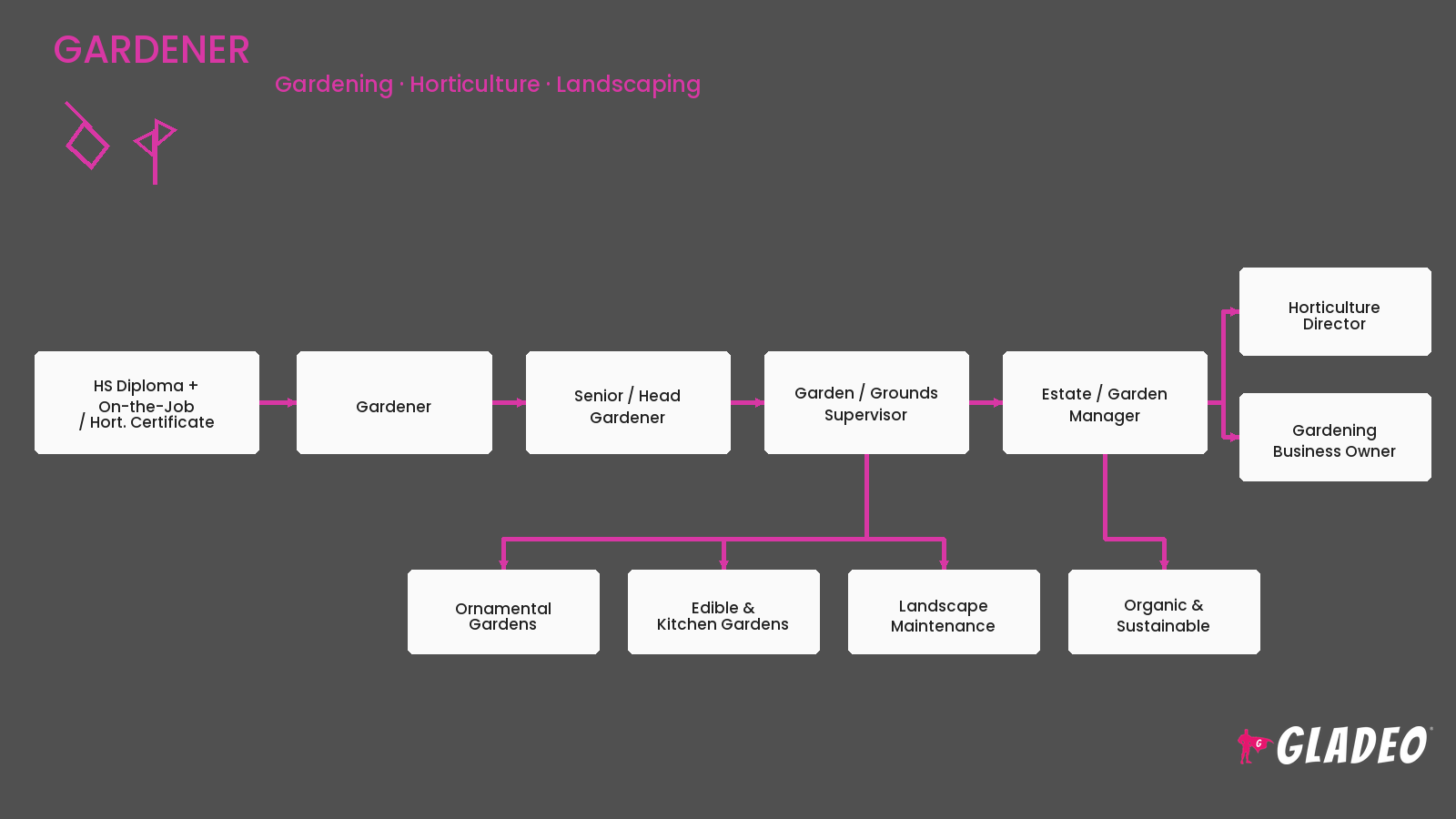
- Gain advanced certifications in horticulture or landscape management
- Specialize in areas like organic gardening or botanical collections
- Develop skills in garden design and project management
- Build relationships with clients and community organizations
- Lead teams in large landscaping or public garden projects
- Stay updated on sustainable gardening trends and technologies
- Teach gardening classes or workshops
- Start your own gardening or landscaping business
Websites:
- American Horticultural Society (ahsgardening.org)
- National Garden Association (garden.org)
- The Royal Horticultural Society (rhs.org.uk)
- GardenComm (gardencomm.org)
- Urban Agriculture Network (urbanagriculture.network)
- National Association of Landscape Professionals (landscapeprofessionals.org)
- Botanic Gardens Conservation International (bgci.org)
- Permaculture Institute (permaculture.org)
- Green Industry Pros (greenindustrypros.com)
- Garden Design Magazine (gardendesign.com)
- Master Gardener Programs (varies by state)
- Organic Gardening (organicgardening.com)
- PlantTalk (planttalk.org)
- Local Cooperative Extension Services websites
Books:
- The Well-Tended Perennial Garden by Tracy DiSabato-Aust
- The Garden Primer by Barbara Damrosch
- Floret Farm's Cut Flower Garden by Erin Benzakein
- Planting: A New Perspective by Piet Oudolf and Noel Kingsbury
- Rodale’s Ultimate Encyclopedia of Organic Gardening by Fern Marshall Bradley
If gardening isn’t your path or you want to explore related options, many careers involve working with plants, nature, or outdoor environments in different ways.
- Landscape Architect: design outdoor spaces combining art and environment
- Arborist: specialize in the care and maintenance of trees
- Agricultural Technician: support farming operations and crop production
- Environmental Educator: teach about nature and conservation
- Greenhouse Manager: oversee plant production in controlled environments
- Park Ranger: protect and manage natural parks and public lands
- Floral Designer: create flower arrangements for events and retail
- Botanist: study plant science and research plant biology
- Soil Scientist: analyze and improve soil health for agriculture or conservation
- Urban Planner: develop sustainable city environments including green spaces
Newsfeed

Featured Jobs
Online Courses and Tools