






Spotlights
Child Doctor, Pediatric Specialist, Pediatric Medical Practitioner, Child Health Physician, Pediatric Care Provider, Pediatric Consultant, Pediatric Medicine Physician, Pediatric Health Specialist, Child Wellness Doctor, Pediatric Clinical Doctor, Pediatric Healthcare Provider, Pediatric Medical Officer
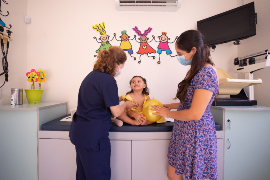
Imagine a child visiting the doctor’s office feeling worried or sick, and leaving with a smile after receiving care that not only treats their illness but supports their growth and happiness. Pediatricians play a vital role in shaping the health and futures of children, from newborns to young adults, making a lasting impact on families and communities.
Pediatricians examine and diagnose illnesses, infections, and injuries in children, monitor their physical and developmental progress, and provide vaccinations and preventive care. They collaborate with nurses, specialists, therapists, and families to create treatment plans, manage chronic conditions, and offer guidance on nutrition, safety, and mental health. Every day, they balance medical knowledge with empathy to ensure kids receive the best care possible.
Using medical tools like stethoscopes, growth charts, and diagnostic tests alongside electronic health records and communication technology, pediatricians combine science and compassion to guide children through health challenges. Their expertise not only treats immediate problems but also supports lifelong wellness, making their work essential to the health of future generations.
- Helping children and families through difficult health challenges and seeing them recover and thrive.
- Building trusting relationships with kids and parents that make medical care less scary and more supportive.
- Playing a key role in preventing illness through education, vaccinations, and early intervention.
- Contributing to the overall well-being and development of children, positively impacting their futures and communities.
Working Schedule
Pediatricians often work in clinics, hospitals, or private practices, usually during regular daytime hours, but may also be on call or work evenings and weekends to respond to emergencies or hospital rounds. Their work environment is typically fast-paced and requires flexibility to handle urgent cases and follow-ups. Many pediatricians work full-time, balancing scheduled appointments with unexpected patient needs.
Typical Duties
- Perform physical exams and developmental assessments for newborns, infants, children, and adolescents.
- Diagnose and treat common illnesses, infections, injuries, and chronic conditions like asthma or diabetes.
- Administer vaccinations and educate families about preventive health care.
- Order and interpret laboratory tests, X-rays, and other diagnostic procedures.
- Prescribe medications and therapies tailored to children's unique needs.
- Monitor growth, nutrition, and behavioral development over time.
- Provide guidance on diet, exercise, safety, and mental health to parents and caregivers.
- Coordinate care with specialists, therapists, and other healthcare providers.
- Document patient histories and maintain accurate medical records.
- Respond to medical emergencies and provide urgent care when necessary.
- Advise families on managing chronic diseases and developmental disorders.
- Support child and family counseling for health-related concerns.
Additional Responsibilities
- Stay updated on latest pediatric research, treatments, and guidelines.
- Participate in training or mentoring medical students and residents.
- Advocate for children's health policies and community health programs.
- Manage clinic or hospital administrative tasks related to patient care.
- Ensure compliance with medical regulations and ethical standards.
- Engage in public health outreach and education activities.
- Collaborate on interdisciplinary healthcare teams for complex cases.
- Contribute to medical research or clinical studies.
A pediatrician’s day often begins reviewing patient charts and lab results to prepare for scheduled appointments. They plan which cases need urgent attention and set goals for each patient visit, balancing preventive care with ongoing treatments.
Midday is filled with seeing patients of various ages—listening carefully to children’s symptoms, performing exams, and communicating clearly with parents. They write prescriptions, update records, and consult with specialists when needed, always adapting to each child’s unique needs.
Later in the day, pediatricians follow up on test results, meet with healthcare teams, and address any emergencies or urgent concerns that arise. They may spend time educating families about health practices or documenting visits before wrapping up their day, often reflecting on how their care supports lifelong wellness.
Soft Skills
- Empathy and compassion
- Excellent communication with children and adults
- Patience and emotional resilience
- Problem-solving and critical thinking
- Attention to detail
- Teamwork and collaboration
- Adaptability and flexibility
- Active listening
- Cultural sensitivity
- Time management
- Decision-making under pressure
- Emotional intelligence
Technical Skills
- Medical knowledge of pediatric diseases and treatments
- Physical examination techniques
- Diagnostic testing and interpretation
- Electronic health record management
- Vaccination procedures
- Prescription and medication management
- Basic life support and emergency response
- Pediatric growth and development assessment
- Patient education methods
- Use of medical instruments like stethoscopes and otoscopes
- General Pediatrician: Provides comprehensive healthcare for children from birth through adolescence.
- Neonatologist: Specializes in care for newborns, especially premature or ill infants.
- Pediatric Cardiologist: Focuses on heart conditions in children.
- Pediatric Endocrinologist: Treats hormonal and metabolic disorders like diabetes.
- Pediatric Oncologist: Cares for children with cancer.
- Developmental-Behavioral Pediatrician: Addresses developmental and behavioral disorders.
- Pediatric Allergist/Immunologist: Manages allergies and immune system diseases.
- Pediatric Neurologist: Treats neurological disorders in children.
- Children’s hospitals
- Private pediatric clinics
- General hospitals
- Community health centers
- School health programs
- Public health departments
- Nonprofit child health organizations
- Research institutions
- Urgent care centers
- Government healthcare agencies
- International health organizations
- Telemedicine services
Pediatricians face high-pressure situations, especially when treating seriously ill children or managing emergencies. The emotional weight of caring for sick children and supporting worried families requires strong resilience and sensitivity.
Work hours can be long and irregular, including early mornings, evenings, weekends, and on-call shifts. Balancing administrative tasks with patient care often means extended days and ongoing availability.
Sacrifices include managing stress from life-and-death decisions, staying current with medical advances through continuous learning, and sometimes missing personal or family events due to the demands of the job.
- Growing use of telemedicine to reach children in remote or underserved areas.
- Advances in genetic testing and personalized medicine for pediatric patients.
- Increased focus on mental health and behavioral disorders in children.
- Integration of electronic health records for more coordinated care.
- Rising awareness of childhood obesity and preventive nutrition programs.
- Emphasis on vaccination education to combat misinformation.
- Development of minimally invasive treatments and pediatric surgery techniques.
- Collaborative care models involving multidisciplinary teams.
- Expansion of community outreach and school-based health services.
- Use of AI and data analytics for early diagnosis and treatment planning.
Many pediatricians enjoyed science and biology classes early on, fascinated by how the human body works and eager to help others. They often showed curiosity about child development and health from a young age, volunteering in health-related activities or caring for younger siblings.
They also tended to have strong communication skills and a natural empathy for kids and families, enjoying activities that involved teaching, nurturing, and problem-solving. Early experiences with medical or community volunteering often sparked their passion for this career.
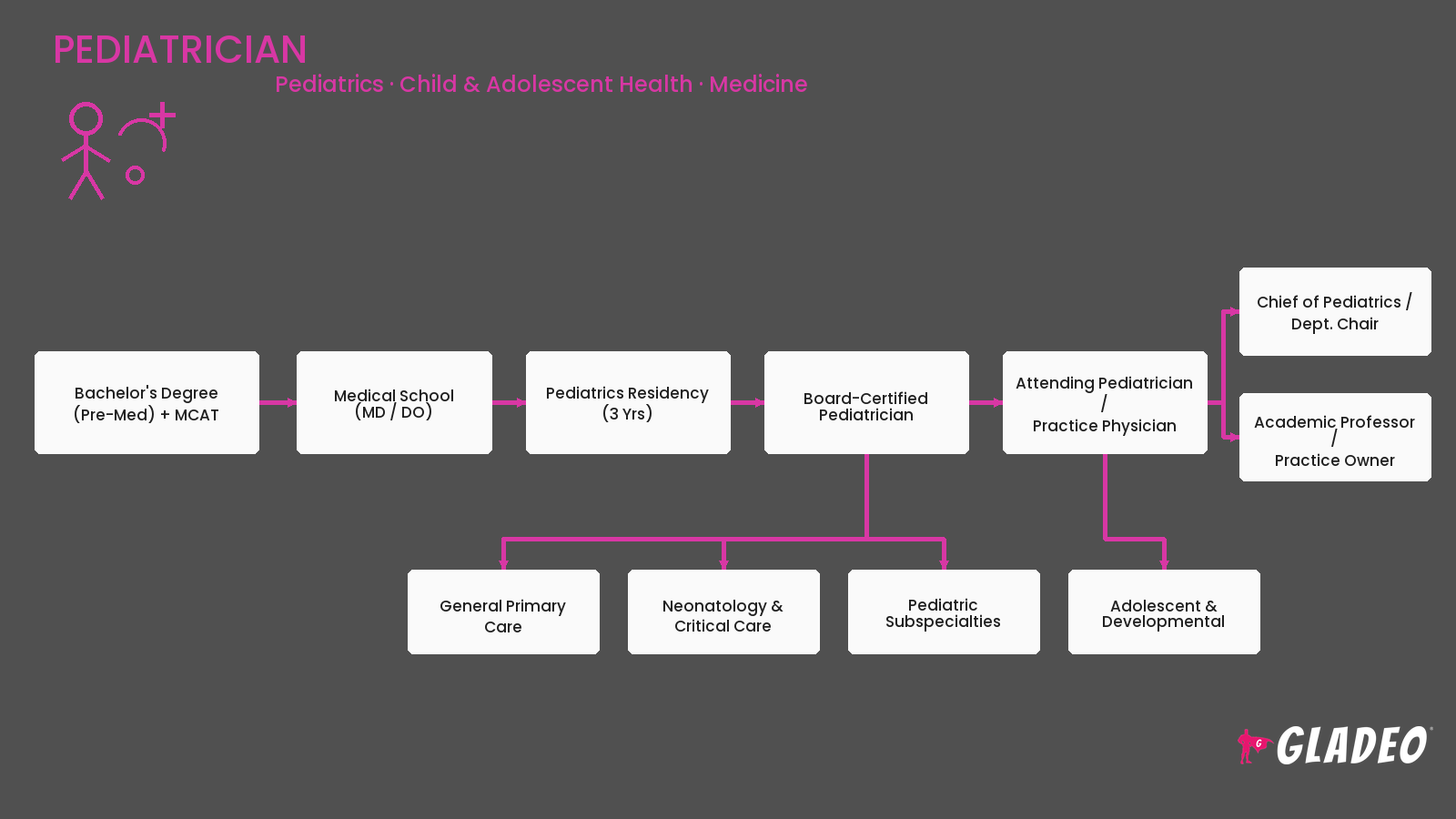
Becoming a pediatrician requires extensive education and training, starting with a bachelor’s degree focused on sciences, followed by medical school to earn a Doctor of Medicine (MD) or Doctor of Osteopathic Medicine (DO) degree. After medical school, aspiring pediatricians complete a residency program specializing in pediatrics to gain hands-on experience.
Students can take courses in relevant subjects such as:
- Biology and human anatomy
- Chemistry and organic chemistry
- Physics and mathematics
- Psychology and child development
- Health and nutrition
- Medical terminology
- Microbiology and immunology
- Statistics and research methods
- Communication and interpersonal skills
- Ethics and medical law
Hands-on experience through internships, clinical rotations, and pediatric residencies is crucial to develop practical skills. Building a strong portfolio of clinical experiences and maintaining excellent academic performance helps in matching with competitive residency programs. Continuous learning is essential throughout a pediatrician’s career to stay current with medical advances.
- Take advanced science courses such as biology, chemistry, and physics.
- Engage in health or medical science electives if available.
- Join health clubs or volunteer at hospitals, clinics, or community health programs.
- Develop strong communication and writing skills through English and speech classes.
- Participate in science fairs or research projects related to health.
- Seek internships or shadowing opportunities with pediatricians or healthcare providers.
- Attend college fairs and talk to advisors about pre-med tracks.
- Prepare for and do well on standardized tests required for medical school admission.
- Build leadership and teamwork skills through extracurricular activities.
- Explore psychology or child development courses to understand patient needs.
- Choose accredited pre-med or science degree programs with strong biology and chemistry offerings.
- Look for schools with partnerships or affiliations with hospitals for clinical experiences.
- Prioritize programs that offer research opportunities in pediatric medicine.
- Select programs that provide strong advising and support for medical school applications.
- Consider schools with extracurricular activities related to healthcare and community service.
- Check faculty credentials and their involvement in pediatric research or practice.
- Ensure programs have resources for MCAT preparation and medical school application guidance.
- Look for opportunities to volunteer or intern in pediatric settings during college.
- Seek programs with diverse student bodies and inclusive environments.
- Evaluate program success rates in placing students into medical school.
- Choose schools with simulation labs or hands-on learning in health sciences.
- Apply for internships or volunteer positions in pediatric clinics or hospitals to gain experience.
- Shadow pediatricians to learn about the daily work and responsibilities.
- Prepare a strong resume highlighting science coursework, volunteer work, and relevant skills.
- Build a portfolio including letters of recommendation, clinical observations, and any research involvement.
- Seek entry-level roles such as medical assistant or patient care technician in pediatric settings.
- Network with healthcare professionals through school, community events, or online platforms.
- Attend healthcare career fairs and informational interviews.
- Prepare for medical school prerequisites and apply to accredited programs.
- Participate in medical school interviews and entrance exams preparation.
- Gain experience in related fields like child psychology or public health.
- Develop strong communication and empathy through volunteering with children.
- Stay informed about pediatric healthcare trends and innovations.
- Excel in medical school and pediatric residency programs to build expertise.
- Develop strong relationships with mentors, peers, and healthcare teams.
- Pursue board certification in pediatrics to enhance credentials.
- Consider subspecialty fellowships for advanced expertise and career options.
- Engage in continuing education and professional development regularly.
- Build a reputation for compassionate care and clinical excellence.
- Take leadership roles in clinics, hospitals, or professional organizations.
- Contribute to pediatric research and community health initiatives.
Websites:
- American Academy of Pediatrics (aap.org)
- American Board of Pediatrics (boardcertifiedpediatrics.org)
- Society for Pediatric Research (speronline.org)
- Pediatric Academic Societies (pediatricacademicsocieties.org)
- National Association of Pediatric Nurse Practitioners (napnap.org)
- Children’s Hospital Association (childrenshospitals.org)
- Medscape Pediatrics (medscape.com/pediatrics)
- Pediatric Care Online (pediatriccareonline.org)
- Society for Developmental and Behavioral Pediatrics (sdbp.org)
- HealthyChildren.org (healthychildren.org)
- Association of Medical School Pediatric Department Chairs (amspdc.org)
- PubMed (pubmed.ncbi.nlm.nih.gov)
- National Institutes of Health (nih.gov)
- Centers for Disease Control and Prevention - Child Health (cdc.gov/childrenshealth)
Books:
- The Harriet Lane Handbook by Johns Hopkins Hospital
- Pediatrics: A Competency-Based Companion by Brian R. Freedman
- Nelson Textbook of Pediatrics by Robert M. Kliegman
- Pediatric Primary Care by Catherine E. Burns
- Bright Futures: Guidelines for Health Supervision of Infants, Children, and Adolescents by the American Academy of Pediatrics
If becoming a pediatrician doesn’t work out, there are many related careers where caring for children and supporting health still play key roles.
- Family Physician
- Nurse Practitioner
- Physician Assistant
- Child Psychologist
- School Nurse
- Physical Therapist specializing in pediatrics
- Occupational Therapist
- Public Health Educator
- Medical Researcher
- Healthcare Administrator
Click here to download the infographic
Newsfeed

Featured Jobs
Online Courses and Tools