







Spotlights
Social Media Coordinator, Social Media Manager, Social Media Strategist, Social Media Producer, Community Manager, Digital Engagement Specialist, Social Media Analyst, Social Media Marketer, Content Specialist, Influencer Marketing Specialist, Digital Marketing Specialist
That video you shared with your whole group chat, the brand account that always replies to comments with perfect jokes, the nonprofit post that made you finally sign up to volunteer: someone planned that, wrote it, and hit publish. Social media specialists are the voices and the creative engines behind the accounts people follow, and they decide what a brand or organization sounds like every single day.
A social media specialist runs the day-to-day life of an organization's social channels. They plan a content calendar, write captions, shoot and edit photos and short videos, post at the right times, and talk with the community by answering questions, joining conversations, and handling complaints with care. They watch the numbers to see which posts connect and which ones flop, then adjust. They work with marketing, design, customer support, public relations, and sometimes creators and influencers to keep the brand's voice consistent and its message on target.
Specialists rely on scheduling and management tools, design and video editing apps, analytics dashboards, and a sharp sense for what is trending. The role matters because social platforms are where many people discover brands, ask questions, and decide whether they trust them, which makes the specialist both the public face of the organization and a quick-thinking listener.
- Seeing a post you created spark conversation, laughter, or action
- Helping a brand, cause, or small business find its voice and its people
- Getting to be creative every day with writing, photos, video, and design
- Connecting with a real community and learning from what they tell you
Working Schedule
Social media specialists typically work full-time in an office, at home, or in a hybrid arrangement. A normal day is regular business hours, but social media never fully sleeps. Launches, live events, trending moments, and customer issues can mean early mornings, evenings, or weekend coverage, and some teams share an on-call schedule to watch for problems. Specialists may work for one company in-house, at an agency managing several clients, or as freelancers who juggle multiple accounts and set their own hours.
Typical Duties
- Planning and maintaining a content calendar that lines up with campaigns, launches, and holidays
- Writing captions, posts, and replies in the brand's voice
- Creating or coordinating photos, graphics, short videos, and stories
- Scheduling and publishing content across platforms
- Replying to comments and messages and welcoming new followers
- Escalating customer service issues to the right team quickly
- Tracking reach, engagement, clicks, saves, shares, and follower growth
- Testing different post types, times, and formats to see what works
- Watching trends, hashtags, and online conversations for opportunities and risks
- Running simple paid social campaigns and boosting top posts
- Working with creators, influencers, and partners on collaborations
- Reporting results to managers and suggesting changes
Additional Responsibilities
- Following the brand voice guide and updating it as platforms and audiences change
- Handling moderation, including removing spam and following clear community guidelines
- Following a crisis plan when something goes wrong online
- Making sure posts follow advertising disclosure rules, music licensing rules, and platform policies
- Adding captions and alt text so content is accessible to everyone
- Capturing and sharing content at events, product shoots, and behind-the-scenes moments
- Learning new platform features and testing them early
- Training other employees on how to use the brand's accounts and tone safely
A social media specialist often starts the morning by checking how yesterday's posts performed and reading new comments and messages. Which post got the most shares? Did anything get unexpected attention, good or bad? A quick scan of trends and news helps decide whether today's plan still makes sense or needs a change.
Midday is for creating and connecting. The specialist might film a short video, edit photos, write captions for the week, or work with a designer on graphics. They schedule posts, reply to followers, and pass along questions to customer support. A meeting with the marketing team could cover an upcoming product launch, a partnership with a creator, or ideas for a new series.
The afternoon is for follow-through and learning. The specialist updates the content calendar, checks the analytics for patterns, tests a new format, or prepares a short report for the team. If something unexpected pops up, like a viral moment or an upset customer, the specialist moves quickly to respond in the right tone and loop in the right people.
Soft Skills
- Creativity and a strong sense of what is fresh, funny, or useful
- Clear, lively writing
- Empathy and good listening when talking to the community
- Quick thinking and calm under pressure
- Curiosity about people, trends, and culture
- Organization and time management across many platforms
- Good judgment about what to post, and what not to
- Teamwork with designers, marketers, and support staff
- Adaptability when platforms and algorithms change
- Professionalism and a thick skin when dealing with criticism
- Storytelling that builds trust over time
- Attention to detail with spelling, facts, links, and timing
Technical Skills
- Platform expertise across Instagram, TikTok, YouTube, LinkedIn, Facebook, X, Pinterest, Snapchat, and Reddit
- Copywriting for short formats
- Photo and video capture and editing, using tools such as Canva, CapCut, or Adobe apps
- Social media management and scheduling tools, such as Hootsuite, Sprout Social, Buffer, or Later
- Analytics tools, both native platform insights and Google Analytics
- Content calendar tools, such as Airtable, Notion, or spreadsheets
- Basic paid social ad setup and budgeting
- Social listening and monitoring tools
- Knowledge of advertising disclosure, copyright, and privacy rules
- Search and hashtag strategy to help content get discovered
- Content-Focused Specialist: Concentrates on creating posts, graphics, and video
- Community Manager: Builds relationships and moderates conversations with followers
- Social Media Analyst: Studies performance data and shares insights
- Paid Social Specialist: Runs ad campaigns and manages social ad budgets
- Influencer and Creator Partnerships Specialist: Finds, works with, and manages creators
- Social Customer Care Specialist: Responds to questions and complaints on social channels
- Employee Advocacy or Executive Social Specialist: Helps leaders and teams share their voices online
- Freelance or Agency Social Media Specialist: Manages social accounts for several clients
- Consumer brands in food, fashion, beauty, and technology
- Advertising and digital marketing agencies
- Entertainment studios, streaming services, and music labels
- Sports teams, leagues, and athletes
- Schools, colleges, and universities
- Non-profit organizations and causes
- Government agencies and public service campaigns
- Hospitals and health organizations
- Retail and e-commerce companies
- Media companies, publishers, and podcasts
- Small businesses and startups
- Tech companies and social platforms
Social media can look like a fun scroll through the internet, but it is serious work. Specialists are often the first ones to hear what the public thinks, and not all of it is kind. Handling complaints, trolls, and negative comments calmly takes patience and thick skin, and a mistake in a post can spread fast. Staying professional, accurate, and on-brand all day is a big responsibility.
The pace can be quick and unpredictable. Platforms change their features and algorithms often, trends rise and fall in days, and a sudden news story or customer problem can change the plan on the spot. Some specialists share weekend coverage or monitor accounts outside normal hours, and the pressure to keep producing fresh ideas never stops.
The upside is creativity, variety, and a front-row seat to how people talk and what they care about. Specialists build a portfolio of real, measurable results, and the skills they learn in writing, video, analytics, and community management transfer to many careers. People who thrive tend to love people, storytelling, and trying new things.
- Short-form video leading on nearly every major platform
- Creators and influencers working with brands in long-term partnerships
- Social platforms acting as search engines, so captions and keywords matter
- Community-first strategies focused on conversations, not just broadcasting
- Social commerce, where people discover and buy products inside the app
- AI tools that help with ideas, captions, editing, and reporting, with human judgment still deciding what goes live
- More emphasis on authentic, behind-the-scenes content over overly polished ads
- Growing attention to privacy, safety, and rules about disclosing paid partnerships
- Accessible content with captions, alt text, and inclusive language
- New and fast-changing platforms, so specialists need to learn and test quickly
Many social media specialists were the kids who made videos, edited photos, kept a blog, started a fan page, or ran a group chat that everyone actually read. They were fascinated by why some posts take off and others disappear, and they loved trying new apps and features just to see what they could do.
Others were storytellers and organizers: writing for the school paper, designing posters, leading clubs, or hyping up a team or event. They enjoyed making people laugh, helping friends feel included, and noticing what made a message stick. Many were just curious about people and culture, with a knack for putting ideas into words and images.
There is no single required path to becoming a social media specialist. Many have a bachelor's degree in communications, marketing, public relations, journalism, digital media, business, or design, though employers often care just as much about the work you can show them. A portfolio of real results, such as growing an account, running a campaign, or producing strong content, can stand out as much as a degree. No license is required.
Digital marketing courses and certifications can add useful skills, and many are free or low cost. Options include HubSpot Academy, Google Skillshop, Meta Blueprint, Hootsuite training, and online learning platforms such as Coursera and Skillshare. Most specialists also learn through trial and error, studying what works, testing new ideas, and keeping up with fast-changing platforms.
Students can take courses in relevant subjects such as:
- Writing and Creative Writing
- Communications and Mass Media
- Marketing Fundamentals
- Digital and Social Media Marketing
- Graphic Design
- Video and Audio Production
- Consumer Psychology
- Data and Analytics
- Public Relations
- Business and Entrepreneurship
Hands-on experience is the best preparation. Running accounts for clubs, school teams, local businesses, or volunteer groups gives you real content, real numbers, and real stories to put in a portfolio. Because platforms change quickly, social media specialists keep learning throughout their careers.
- Take English, creative writing, art, media, marketing, and business classes
- Practice making posts, photos, and videos, and pay attention to what people respond to
- Volunteer to run social media for a school club, team, or event, with permission and clear safety rules
- Study successful campaigns and ask why they worked for their audience
- Learn the basics of editing video, designing graphics, and writing captions
- Keep your own online presence thoughtful and professional, since employers may look at it
- Take free courses in social media, analytics, and digital marketing
- Learn to read basic analytics, such as reach, engagement, and click-through
- Offer to help a local business, nonprofit, or small shop with its social media
- Apply for internships with social media, marketing, or communications teams
- Build a portfolio with before-and-after results and short explanations
- Follow social media news and platform updates to stay ahead of changes
- Courses in digital marketing, social media strategy, and content creation
- Hands-on classes with real clients, campaigns, or student-run accounts
- Faculty with experience in marketing, media, or communications
- Access to video, audio, and design software and equipment
- Internship connections with marketing and communications teams
- Chances to run official school, club, or department social channels
- Classes in writing, storytelling, and public relations
- Analytics and data courses that go beyond the basics
- Opportunities to earn industry certifications
- Portfolio-building projects and career coaching
- Alumni networks in marketing, media, and digital careers
- Classes on ethics, privacy, and digital citizenship
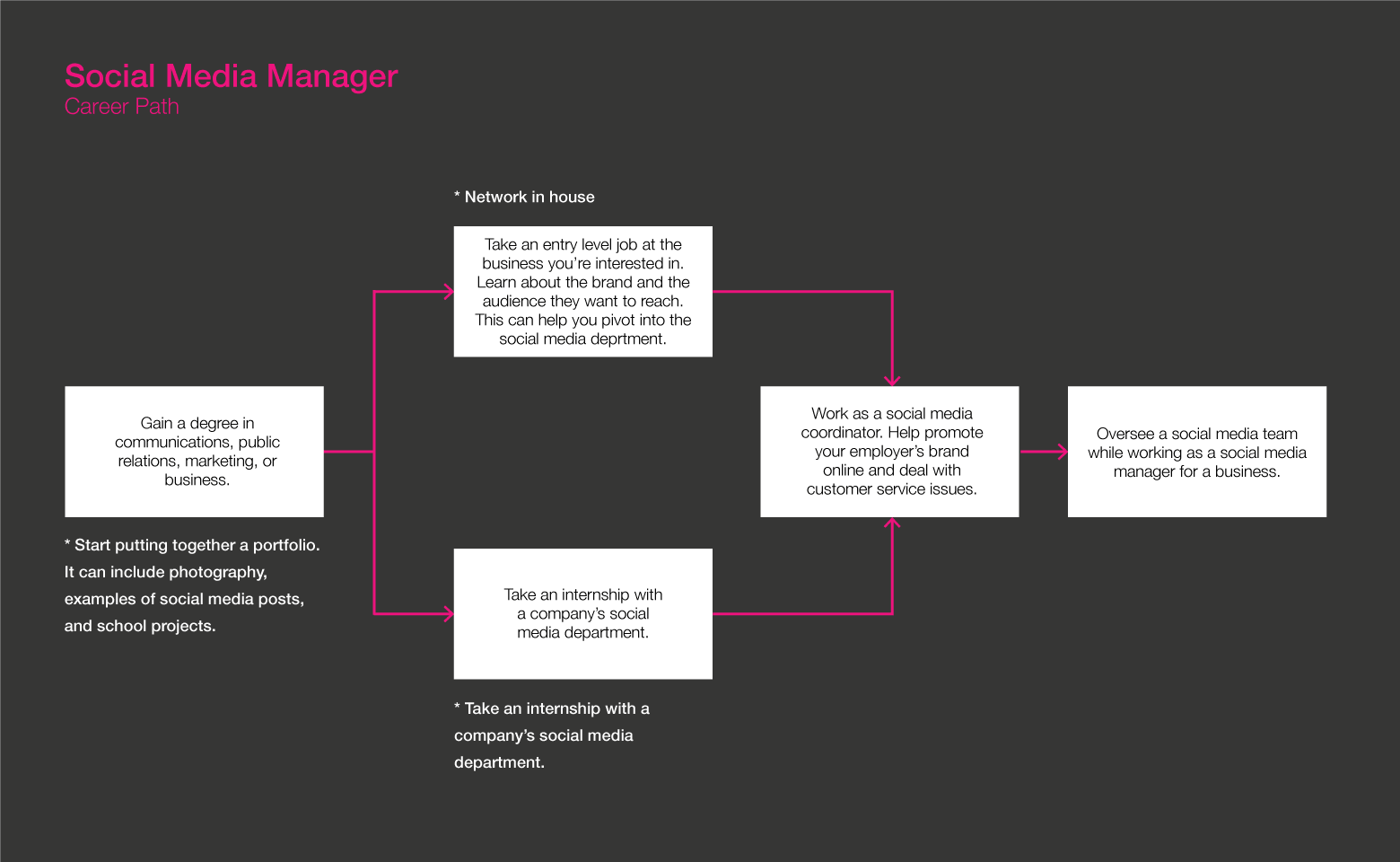
- Build a portfolio with real examples of posts, campaigns, and results you can explain
- Apply for entry-level jobs such as social media assistant, social media coordinator, community manager, or content coordinator
- Complete at least one internship with a marketing, communications, or social media team
- Run or volunteer for social accounts for clubs, local businesses, or nonprofits to show real experience
- Take freelance or small-project work to build a track record and references
- Earn a few platform or marketing certifications to show you can learn the tools
- Use LinkedIn, Indeed, and company career pages to find jobs, and keep your own profiles polished
- Research the brand's voice and recent posts before the interview, and come with ideas
- Practice explaining what you would post, why, and how you would measure success
- Reach out to local businesses and agencies who could use help, even if the first jobs are small
- Keep in touch with professors, supervisors, and clients who can serve as references
- Follow up after interviews with a thoughtful thank-you note
- Learn to connect content to business goals and prove results with data
- Build skills in analytics, paid social, and campaign strategy
- Develop expertise in a niche, such as video, community, creators, or customer care
- Learn the rules on disclosures, copyright, and privacy, and become the go-to person for safe social practices
- Grow your leadership and project management skills
- Build relationships with creators, partners, and colleagues across the organization
- Stay curious and test new platforms and formats early
- Move toward social media manager, head of social, content strategist, brand strategist, or digital marketing leadership
Websites:
- Social Media Examiner - socialmediaexaminer.com
- Social Media Today - socialmediatoday.com
- Hootsuite Blog - blog.hootsuite.com
- Sprout Social - sproutsocial.com
- Buffer - buffer.com
- Later - later.com
- HubSpot Academy - academy.hubspot.com
- Google Skillshop - skillshop.withgoogle.com
- Meta Blueprint - facebook.com/business/learn
- Canva Design School - canva.com/designschool
- Pew Research Center - pewresearch.org
- Digiday - digiday.com
- Adweek - adweek.com
Books:
- Contagious: Why Things Catch On by Jonah Berger
- Everybody Writes by Ann Handley
- Jab, Jab, Jab, Right Hook by Gary Vaynerchuk
- Social Media Marketing All-in-One For Dummies by Jan Zimmerman and Deborah Ng
If social media isn't the right fit, your content, community, and analytics skills apply to many related careers.
- Digital Marketing Specialist
- Content Marketing Manager
- Public Relations Specialist
- Copywriter
- Community Manager
- Video Producer or Editor
- Influencer Marketing Manager
- Marketing Analyst
- Email Marketing Specialist
- Brand Manager
Newsfeed

Featured Jobs
Online Courses and Tools
Annual Salary Expectations
New workers start around $46K. Median pay is $64K per year. Highly experienced workers can earn around $94K.
Annual Salary Expectations
New workers start around $47K. Median pay is $62K per year. Highly experienced workers can earn around $82K.